Cycling for Pensioners: Safety, Comfort, and Pacing Tips
How to ride the Gulbene to Alūksne heritage corridor at your own pace with confidence and comfort

Why the Heritage Corridor is Perfect for Senior Cyclists
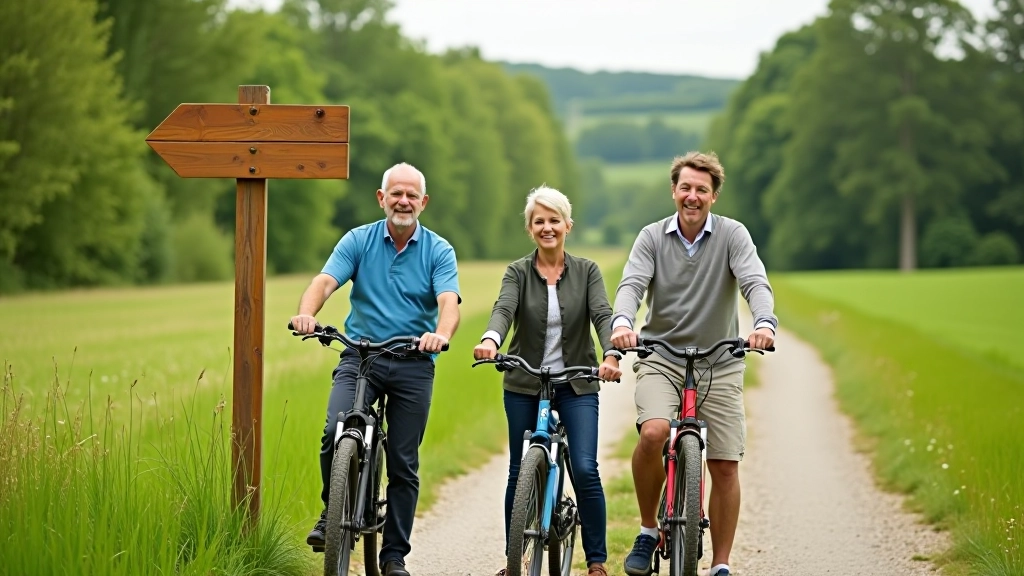
The Gulbene to Alūksne path isn't just another bike route — it's specifically suited for mature riders. There's no traffic, no steep hills, and you'll set your own rhythm. But getting the most out of it means thinking about comfort from the start.
We're talking proper saddle height, pacing strategies that actually work, and knowing when to take breaks. The path itself is forgiving, but your body needs the right preparation. Let's walk through what makes a real difference when you're cycling into your 60s, 70s, or beyond.
Getting Your Bike Set Up Correctly
Most people ride with their saddle too low. You'll see it all the time — knees bent at odd angles, lower back strain building up after 20 minutes. The fix is straightforward.
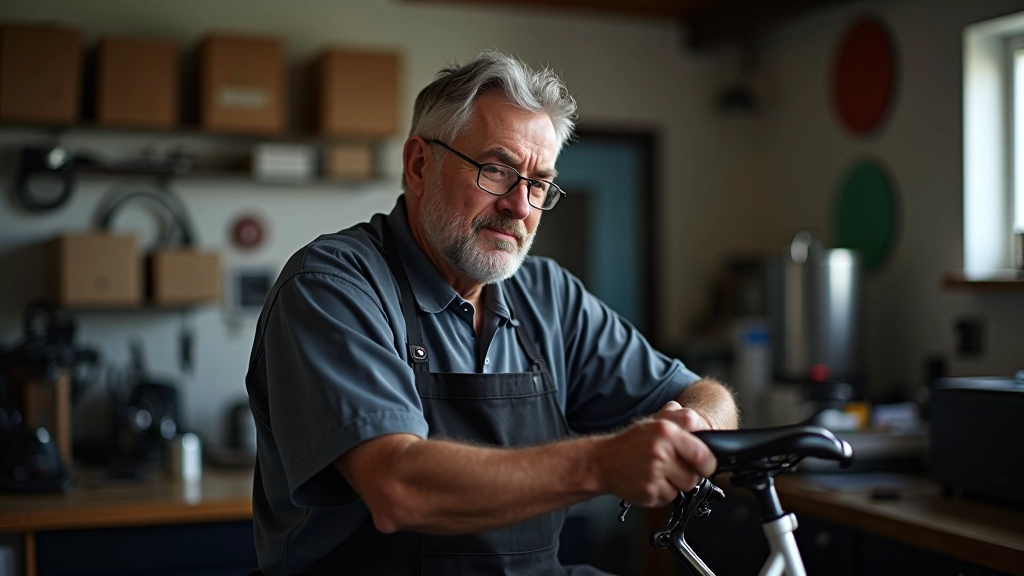
Your saddle height should be set so your leg is almost straight at the bottom of the pedal stroke. There's about a 25-30 degree bend in your knee when the pedal's at its lowest point. Stand over the bike with your foot on the pedal — there should be about a 1-2 inch gap between the saddle and your body. Sounds small, but it changes everything.
Don't overlook the handlebar position either. You're not racing, so your bars should be at about the same height as your saddle, maybe slightly higher. This takes pressure off your wrists and shoulders. Many shops can adjust this for you in 15 minutes if you're unsure.
This article provides general cycling guidance for educational purposes. Everyone's body is different — if you have joint issues, heart concerns, or haven't cycled in years, it's worth checking with your doctor before starting. What works for one person might need adjusting for another. The suggestions here are starting points, not replacements for professional advice.
Pacing: The Secret Most People Miss
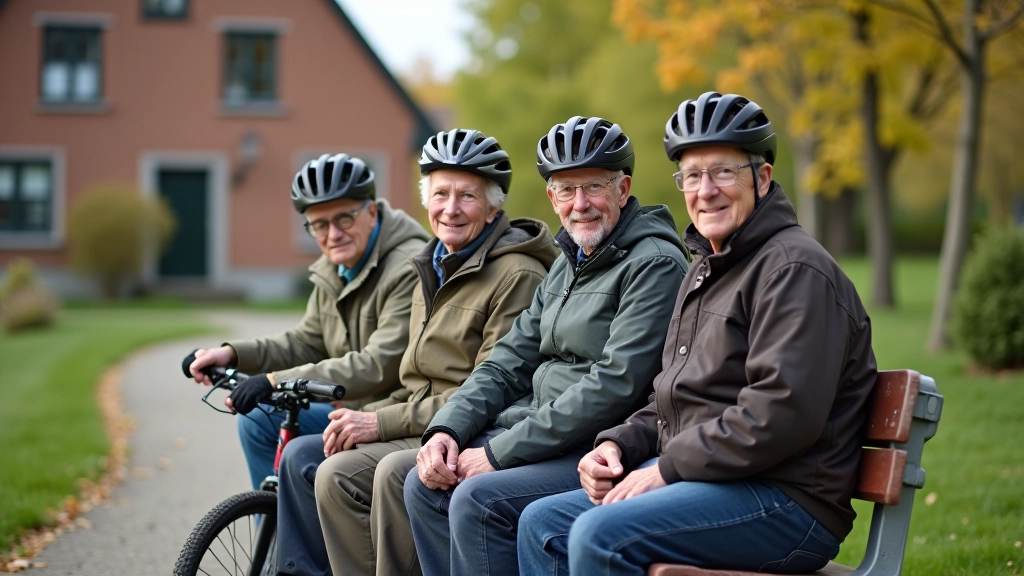
You don't need to average 12 mph. You really don't. Comfortable pace for most senior riders is 6-8 mph, and there's absolutely nothing wrong with that. The whole point of the heritage corridor is the journey, not the speed.
Here's what works: Start slower than you think you need to. Spend the first 10-15 minutes warming up at an easy pace. Your legs feel better after that initial stretch. Plan to stop every 45-60 minutes — not because you're tired necessarily, but because your joints appreciate the break. A five-minute pause lets everything settle.
Watch your breathing. If you can't hold a conversation while riding, you're pushing too hard. That's your signal to ease up. You'll actually enjoy the ride more, see more of the surroundings, and feel better the next day.
Staying Safe on the Path
The heritage corridor is quiet — that's brilliant for enjoyment, but it also means you need to stay alert. Wear bright colors or a safety vest. The path gets shaded in sections, and drivers at the few crossing points won't expect cyclists if you're not visible.
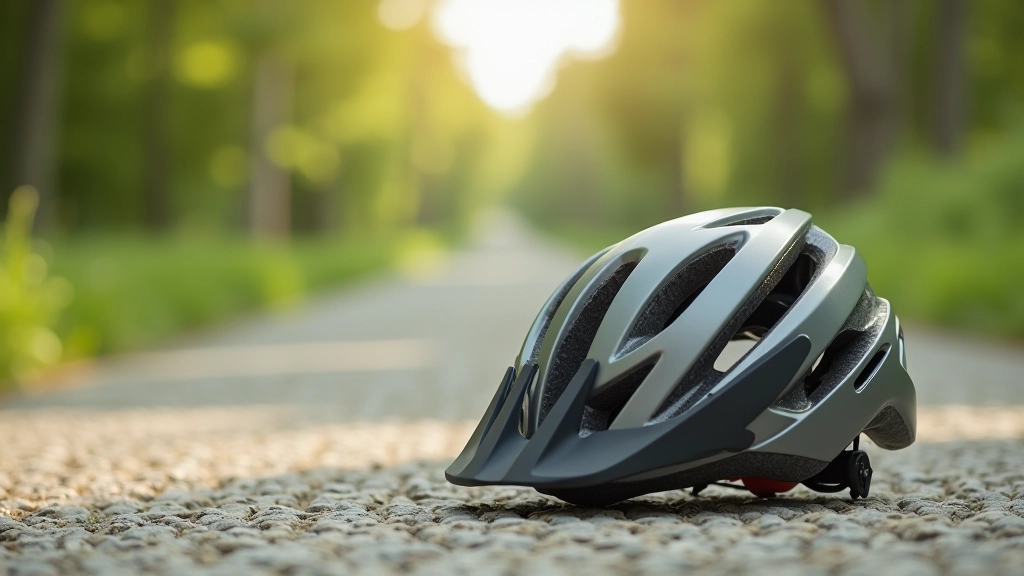
Your helmet is non-negotiable. Not because the path is dangerous, but because you're cycling on a paved surface and accidents happen. A fall at even 8 mph can cause serious head injury. Make sure your helmet fits properly — snug on your head, not tilted back.
Consider taking a bike handling refresher if it's been years since you've ridden. Local cycling clubs often run short sessions covering things like braking smoothly, cornering, and dealing with gravel patches. It's confidence-building and practical.
Practical Comfort Tips You'll Actually Use
Padded Shorts Make a Real Difference
Don't skip this. Good cycling shorts with padding aren't an indulgence — they're essential for comfort on anything over 30 minutes. Your backside will thank you.
Bring More Water Than You Think
A full water bottle for every hour of riding. Dehydration sneaks up on you and makes everything harder — breathing, concentration, joint comfort.
Sunscreen and Glasses
The path has long stretches with minimal shade. Reapply sunscreen before you head out and wear UV-blocking sunglasses. Your skin and eyes will age better for it.
Check Your Tire Pressure
Slightly softer tires (not flat, just not rock-hard) absorb bumps better and reduce fatigue. Most senior cyclists prefer 50-60 psi rather than the maximum 80+ psi.
Listen to Your Body
Sharp pain isn't normal. Mild muscle fatigue is fine. But if something doesn't feel right, stop and rest. You've got plenty of time to explore the corridor.
Warm Up and Cool Down
Five minutes of easy pedaling before you really start, and another five at the end. It prevents stiffness and helps your muscles recover properly.
Your Ride Awaits
The heritage corridor is one of Latvia's best-kept secrets for cycling. It's flat, it's quiet, and it's genuinely beautiful. You don't need to be super fit or young to enjoy it. You just need the right setup, a sensible pace, and some basic safety habits.
Start with a shorter ride — maybe 10-15 km — to see how you feel. Build from there. Most people find they can comfortably ride 30-40 km in a day once they've done a couple of outings. You're not training for anything, you're just exploring at your own pace.
That's the real gift of cycling when you're older. You can go as slow as you want, stop whenever you like, and actually absorb the experience. The heritage corridor is perfect for exactly that kind of riding.
Explore Related Articles